
When Veneers Make Sense for Mildly Crooked Teeth

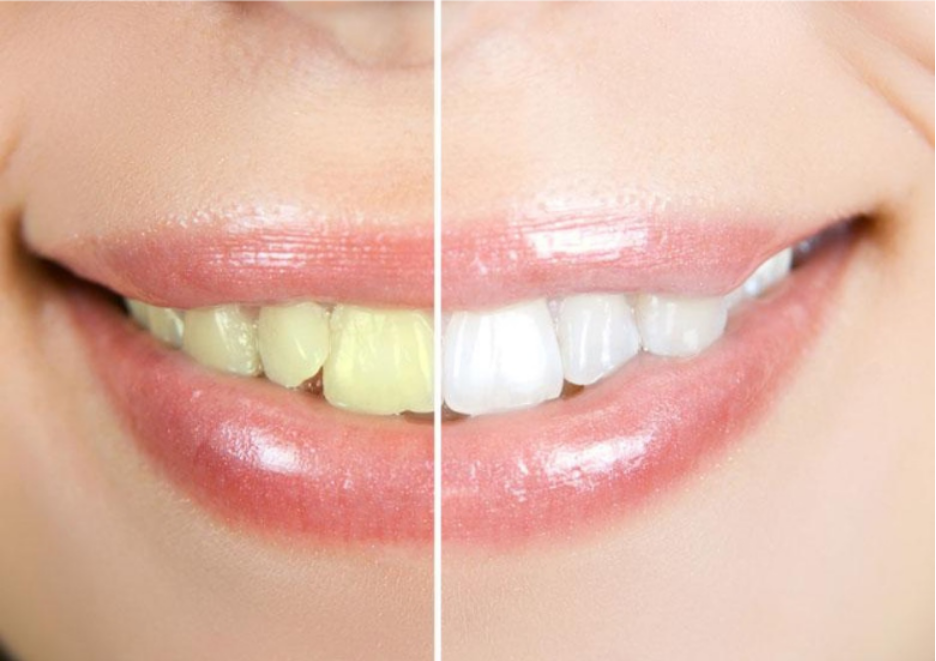
Many adults like their smile overall but have one or two teeth that seem slightly crowded, uneven, or out of place. When they start looking at treatment options, they often assume braces or clear aligners are the only solutions available.
Patients considering dental veneers in Santa Monica often ask whether veneers for crooked teeth can improve their smile without orthodontic treatment.
In some situations, teeth veneers may provide a cosmetic alternative for mild alignment concerns. Veneers do not physically move teeth into new positions. Instead, they are designed to improve the visible appearance of teeth by creating a more balanced, symmetrical smile. As part of cosmetic dentistry services offered at Smiles Santa Monica, veneers may be considered for patients seeking a smile makeover that addresses several aesthetic concerns at the same time.
What Counts as Mildly Crooked Teeth?
Mildly crooked teeth generally involve cosmetic concerns that do not significantly affect oral function or bite alignment. Examples may include:
- Slight overlapping of front teeth
- Minor gaps between teeth
- Small rotations or twists
- Teeth that appear uneven in size or shape
- Mild crowding visible when smiling
More significant crowding, bite irregularities, and jaw alignment concerns often require orthodontic treatment rather than cosmetic veneers. A dental evaluation helps determine whether the concern is primarily aesthetic or related to tooth function and alignment.
Also Read: Transform Your Smile: What to Know Before Getting Veneers
How Veneers Can Improve the Appearance of Crooked Teeth
Some patients hear veneers described as an alternative to orthodontic treatment for minor cosmetic alignment concerns.
How porcelain veneers improve mildly crooked teeth often comes down to their ability to improve the visible appearance of teeth. Veneers are a cosmetic dentistry treatment that can help create a more balanced, uniform smile while addressing several aesthetic concerns at the same time.
Depending on the patient’s needs, veneers may help:
- Create the appearance of straighter teeth
- Improve smile symmetry and balance
- Improve the appearance of tooth discoloration
- Improve the appearance of chipped or worn teeth
- Close small gaps
- Improve tooth proportions and shape
Many patients ask, can veneers straighten teeth without orthodontics? In select cases involving mild cosmetic concerns, veneers can create the appearance of straighter teeth without physically moving them.
Because veneers can address multiple cosmetic concerns at once, they are often considered during smile makeover planning. Patients interested in veneers often appreciate that treatment can address alignment, appearance, color, and tooth shape at the same time.
Situations Where Veneers May Make Sense
Veneers may be considered when tooth alignment concerns are minor and primarily related to appearance rather than function. This is often where veneers for crooked teeth become a consideration.
Candidates generally have healthy teeth and gums with no significant concerns that would interfere with cosmetic treatment.
When teeth appear slightly crooked but function normally, veneers may help create a straighter-looking smile.
Some adults prefer exploring cosmetic solutions rather than pursuing orthodontic treatment. Treatment timelines vary based on individual needs and the recommended treatment plan.
Some patients are concerned about more than alignment alone. Veneers may address crooked-looking teeth while also improving:
- Tooth discoloration
- Chipped edges
- Uneven tooth shapes
- Small gaps
Patients frequently ask, are veneers a good option for slightly crooked teeth? For individuals with mild cosmetic misalignment and healthy teeth, veneers may be worth discussing during a consultation.
When Veneers May Not Be the Best Choice
Although veneers can improve the appearance of mildly crooked teeth, they are not appropriate for every case.
Situations where orthodontic treatment may be more suitable include:
- Moderate to severe misalignment
- Significant crowding
- Bite and functional concerns
- Jaw alignment issues
- Cases where another treatment approach may better address the underlying concern
Younger patients may also benefit from orthodontic treatment that addresses alignment concerns while preserving natural tooth structure.
Also Read: Choosing the Right Shade and Shape for Veneers That Match Your Features
Veneers vs. Orthodontics for Mildly Crooked Teeth
Patients often ask whether veneers or orthodontics are better for mild tooth misalignment. The answer depends on the individual’s oral health, cosmetic concerns, and treatment priorities.
When comparing veneers vs. braces for mild tooth misalignment, treatment recommendations depend on appearance goals, oral health, and the extent of the misalignment.
The biggest difference is that veneers improve appearance while orthodontics changes tooth position. Veneers can often create the look of a straighter smile while also addressing discoloration, uneven shapes, chips, and small gaps. Orthodontic treatment focuses on physically moving teeth into better alignment, which may be the better choice when bite issues or more significant crowding are involved.
Some patients prioritize a cosmetic outcome and a shorter treatment timeline, while others want to correct the underlying alignment itself. In certain situations, dentists may recommend combining orthodontic treatment with veneers to achieve the desired result.
At Smiles Santa Monica, patients can discuss both cosmetic dentistry and orthodontic services to determine which treatment approach best aligns with their needs.
Factors Dentists Consider Before Recommending Veneers
Before recommending veneers for crooked teeth treatment, dentists evaluate several factors, including:
- Severity of tooth misalignment
- Bite alignment and overall oral health
- Gum health
- Tooth wear patterns
- Existing dental restorations
- Cosmetic goals and expectations
- Treatment timeline preferences
- Budget considerations
Determining who is a good candidate for veneers for crooked teeth requires evaluating alignment, oral health, and cosmetic expectations.
A consultation and smile assessment help determine whether veneers, orthodontics, or another treatment approach may be appropriate.
Benefits and Limitations to Understand
Benefits
- Immediate cosmetic improvement in appearance
- Natural-looking smile enhancement
- Long-lasting results with good oral care
- Ability to address several cosmetic concerns at the same time
Limitations
- Irreversible in many cases
- Not appropriate for every alignment concern
- May require maintenance or replacement over time
- Does not address underlying bite or jaw problems
Understanding both the advantages and limitations helps patients make informed decisions regarding porcelain veneers.
Frequently Asked Questions
Can veneers fix mildly crooked teeth without braces?
In some cases, yes. When alignment concerns are mild and primarily cosmetic, veneers may improve the appearance of teeth without orthodontic treatment.
How crooked can teeth be before veneers are not recommended?
Moderate to severe crowding, bite problems, and significant alignment concerns often require orthodontic treatment rather than veneers.
Do veneers look natural on slightly misaligned teeth?
When designed to complement the surrounding teeth, veneers can help create a balanced and natural-looking smile.
Are veneers a good option for slightly crooked teeth?
They may be appropriate for patients with minor cosmetic misalignment, healthy teeth, and realistic expectations about what veneers can and cannot accomplish.
Are veneers faster than clear aligners?
Treatment timelines vary, but veneers and orthodontic treatment address different concerns and should be evaluated based on individual needs.
Can veneers straighten teeth without orthodontics?
Veneers can create the appearance of straighter teeth in select cases, but they do not physically move teeth into new positions.
How long do veneers typically last?
Longevity varies based on factors such as oral hygiene habits, lifestyle factors, and ongoing dental care.
Also Read: Can Invisalign Fix Gaps, Crowding, and Bite Issues?
Conclusion
When veneers make sense for mildly crooked teeth depends on the degree of misalignment, oral health, cosmetic concerns, and long-term treatment preferences. Veneers can be a suitable choice for patients whose primary concern is the appearance of their smile rather than correcting tooth movement or bite function.
The best treatment depends on what is causing the concern, the condition of your teeth, and your long-term goals. In some cases, veneers can create a more balanced smile without orthodontic treatment. A consultation can help determine whether veneers, orthodontic treatment, or a combination of both is the best fit for your smile goals.
Schedule a consultation with Smiles Santa Monica to learn whether veneers, orthodontic treatment, or a combination approach is right for your smile goals.