
Can You Switch to Invisalign From Braces?

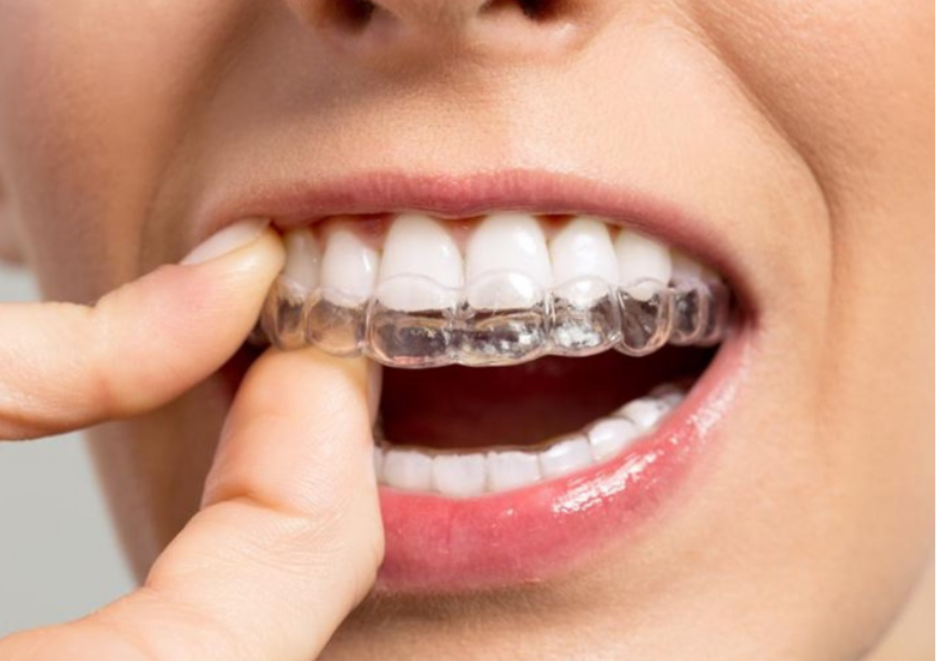
Many patients begin orthodontic treatment with braces but later wonder if Invisalign is an option. Whether you’re interested in a more discreet appearance, greater comfort, fewer food restrictions, or easier oral hygiene, it’s natural to ask if making the switch is possible.
The good news is that many patients can successfully transition from braces to Invisalign. However, eligibility depends on your treatment progress, the amount of tooth movement remaining, your bite, and your oral health. Smiles Santa Monica offers orthodontic services that include traditional metal braces and Invisalign to help patients achieve straighter teeth and improved bite function.
Can You Switch From Braces to Invisalign?
Yes, many patients can transition from braces to Invisalign. In some cases, braces are used to complete more complex stages of tooth movement before Invisalign is used to finish the remaining alignment. In other situations, patients decide they would prefer clear aligners after already beginning treatment with braces.
Whether you can switch depends on several factors, including:
- How much tooth movement remains
- The complexity of your orthodontic case
- Bite correction needs
- Your overall oral health
Only an evaluation with an orthodontist or dental provider can determine whether switching from braces to Invisalign is appropriate. During your appointment, your teeth, bite, and treatment progress will be evaluated to determine whether Invisalign treatment can safely complete your orthodontic care.
Also Read: How Long Does Invisalign Take Compared to Traditional Braces?
Why Do Patients Want to Switch?
A More Discreet Appearance
One of the biggest reasons patients ask, “Can I change from braces to Invisalign?” is appearance. Invisalign aligners are nearly invisible and fit closely over the teeth, making them much less noticeable than traditional braces. This makes them especially popular with adults and professionals who prefer a more subtle orthodontic treatment
Easier Eating
Unlike braces, Invisalign aligners are removable during meals. Because Invisalign aligners are removed before meals, patients can continue eating foods that are often restricted during treatment with braces. After eating, the aligners are placed back in after brushing or rinsing.
Simpler Oral Hygiene
Brackets and wires can make brushing and flossing more difficult. Invisalign aligners are removed before brushing and flossing, allowing patients to clean their teeth more easily. Smiles Santa Monica also notes that Invisalign aligners are removable and easy to manage for maintenance, brushing, and flossing.
Many patients appreciate that Invisalign allows them to remove their aligners for meals and oral hygiene while continuing orthodontic treatment.
Greater Comfort
While every orthodontic treatment creates some pressure as teeth move, Invisalign aligners have smooth edges that help reduce irritation to the cheeks and lips. Many patients also appreciate not having to deal with broken brackets or poking wires.
Who Is a Good Candidate for Switching?
Not every patient is an ideal candidate for switching from braces to Invisalign. Your provider will evaluate your treatment progress before making a recommendation.
You may be a good candidate if:
- Mild to moderate tooth movement remains
- Your teeth have already undergone significant alignment with braces
- You’re committed to wearing aligners for 20 to 22 hours each day
- You have healthy teeth and gums
- You attend regular follow-up appointments
Patients wearing metal braces or ceramic braces may both be candidates for Invisalign if enough tooth movement has already been completed and the remaining alignment can be managed with clear aligners.
Some orthodontic cases are better completed with braces. If significant bite correction or complex tooth movement is still required, remaining in braces may provide more predictable results.
What Happens During the Transition?
If you’re wondering how to switch from braces to Invisalign, the process begins with an orthodontic evaluation. Your provider will review your progress, determine whether Invisalign is appropriate, and develop a treatment plan based on the remaining tooth movement.
Removing the Braces
If switching is appropriate, the dental team will safely remove your braces and thoroughly clean your teeth. Your provider will evaluate your current tooth positions before beginning the next phase of treatment.
Digital Scanning and Treatment Planning
Digital scans, or impressions when needed, are taken to create a customized Invisalign treatment plan. These scans allow your provider to map the remaining tooth movement and create a series of custom dental aligners designed specifically for your smile.
Receiving Your First Aligners
Once your aligners are ready, you’ll receive instructions on how to wear and care for them. Most patients wear each set of aligners for one to two weeks while keeping them in place for 20 to 22 hours each day.
You’ll continue returning for regular progress checks throughout treatment. If small adjustments are needed near the end, additional refinement aligners may be recommended
Also Read: Can Invisalign Fix Gaps, Crowding, and Bite Issues?
Will Switching Make Treatment Take Longer?
Many patients ask when to switch from braces to Invisalign and whether doing so will extend treatment.
The answer depends on several factors, including:
- How much correction remains
- The complexity of your bite
- How consistently you wear your aligners
Switching from braces to Invisalign does not automatically increase treatment time. If only minor adjustments remain and you wear your aligners as instructed, your overall timeline may remain similar to your original treatment estimate. Every case is different, so your provider can give you a more accurate timeline after your evaluation.
Are There Any Downsides to Switching?
Although there are many benefits of switching to Invisalign from braces, there are also a few considerations.
Invisalign requires excellent patient compliance. Since the aligners are removable, they only work when worn consistently for 20 to 22 hours each day.
Some complex tooth movements may still be managed more successfully with braces. If your provider believes braces will provide a better result for your bite or tooth positioning, they may recommend completing treatment without switching.
There may also be an additional cost to switch from braces to Invisalign, depending on your current stage of treatment, insurance coverage, and your customized treatment plan.
Questions to Ask Before Making the Switch
Before deciding whether to switch, consider asking your provider:
- Am I a good Invisalign candidate?
- How much treatment do I have left?
- Will switching affect my timeline?
- Will my bite be fully corrected with aligners?
- Are there additional costs involved?
- What happens if refinements are needed?
These questions can help you better understand whether Invisalign after braces is the right choice for your smile.
Why a Personalized Orthodontic Evaluation Matters
No two orthodontic cases are exactly alike. While appearance is one reason patients consider changing treatment, your bite, remaining tooth movement, and long-term stability should also be evaluated.
A personalized orthodontic evaluation helps determine whether switching from braces to Invisalign will provide the results you’re looking for or whether completing treatment with braces is the better approach. Smiles Santa Monica provides orthodontic evaluations and offers both traditional braces and Invisalign to help patients receive treatment based on their individual needs.
Also Read: Wearing Invisalign with a Busy Schedule: How to Stay Consistent Without Disrupting Your Day
Conclusion
Many patients can successfully switch from braces to Invisalign, but the timing of the transition and the complexity of the remaining tooth movement determine whether it’s the right choice. If you’re asking “is it possible to switch from braces to Invisalign,” the answer is often yes, but only after a professional evaluation.
Whether you’re considering Invisalign for appearance, comfort, or convenience, speaking with your dental provider is the best way to determine if changing your treatment plan is appropriate for your smile.
Schedule an orthodontic consultation with Smiles Santa Monica to find out whether transitioning from braces to Invisalign is the right option for your smile and treatment goals