
Can Invisalign Correct Teeth That Have Shifted With Age?

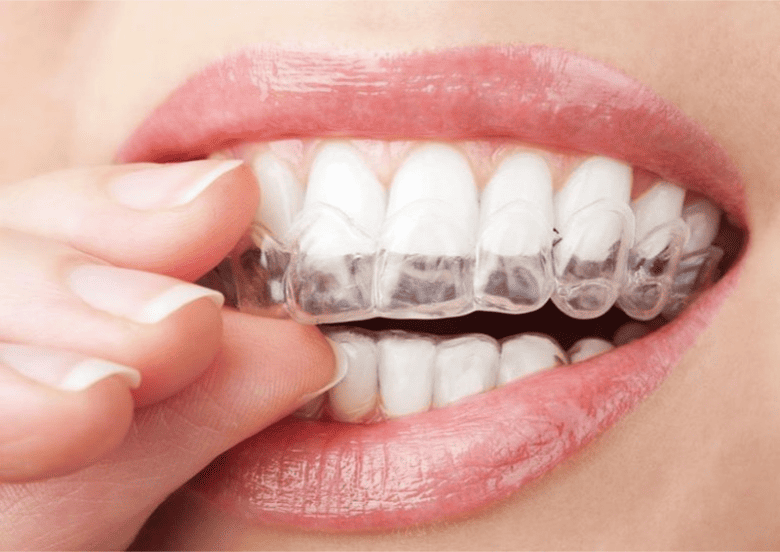
It is common for adults to notice that their teeth no longer look as straight as they once did. Front teeth may begin to overlap, small gaps can develop, or teeth that were previously aligned may become slightly rotated or crowded. These changes can occur even in adults who had braces or other orthodontic treatment earlier in life.
Can Invisalign correct teeth that have shifted with age? In many cases, yes. Invisalign uses a series of custom clear aligners to gradually guide teeth toward planned positions. Whether it is appropriate depends on the type and extent of movement, the bite, oral health, and other factors that affect orthodontic treatment.
For adults considering Invisalign in Santa Monica, the important question is not simply whether teeth have shifted, but why they moved and what needs to change now. At Smiles Santa Monica, we can evaluate your current alignment and discuss whether clear aligners or another orthodontic approach makes sense for your smile.
Why Do Teeth Shift as You Get Older?
Teeth are not permanently fixed in one position. Changes in the tissues supporting the teeth, the bite, neighboring teeth, and oral health can contribute to gradual movement throughout adulthood.
Several factors may contribute to teeth shifting over time:
- Natural changes in the tissues supporting the teeth
- Changes in the bite
- Pressure from neighboring teeth
- Tooth loss or changes in dental restorations
- Gum and bone changes
- Grinding, clenching, or other oral habits
- Not wearing a prescribed retainer after previous orthodontic treatment
The lower front teeth are one area where adults may notice increasing crowding. Teeth that once appeared straight can begin to overlap or rotate gradually, sometimes enough that the difference becomes noticeable when smiling or brushing.
Understanding why the teeth moved matters because not every type of adult tooth movement should be treated the same way.
Also Read: Wearing Invisalign with a Busy Schedule: How to Stay Consistent Without Disrupting Your Day
Why Can Teeth Shift Years After Braces?
Having braces or clear-aligner treatment earlier in life does not mean the teeth can never move again. Retainers are used after active orthodontic treatment to help maintain the positions achieved during treatment.
When retainers are no longer worn as prescribed, some adults notice crowding, spacing, or rotation returning over time. However, previous orthodontic treatment and retainer use are only part of the picture. Changes in the bite, supporting tissues, tooth loss, restorations, oral habits, and gum or bone health may also contribute to movement.
That is why retreatment should begin with an evaluation of how the teeth and bite look now rather than simply trying to return the teeth to an old position.
Can Invisalign Correct Teeth That Have Shifted With Age?
Age itself does not necessarily prevent an adult from using clear aligners. What matters more is the type of movement that has occurred, the condition of the teeth and gums, the bite, and whether the required movements are appropriate for Invisalign.
Depending on the individual case, Invisalign may be used to address:
- Mild to moderate crowding
- Spacing
- Rotated teeth
- Certain bite-related alignment concerns
- Teeth that have moved after previous orthodontic treatment
A few slightly crowded front teeth, for example, present a different treatment-planning question from a more substantial change in the bite. An examination helps determine not only whether teeth can be moved, but whether clear aligners are the appropriate way to move them.
How Invisalign Moves Shifted Teeth
Invisalign does not move teeth to their final positions all at once. Treatment uses a planned series of clear aligners, with each set applying controlled forces to guide the teeth through a sequence of movements.
Aligners are changed according to the prescribed schedule as treatment progresses. Consistent wear is an important part of treatment because the planned sequence depends on the aligners being worn as directed.
For adults who previously had orthodontic treatment, the new plan is based on the teeth and bite as they exist today. The fact that teeth were straight in the past does not necessarily mean the same treatment plan or movements would be appropriate now.
Is It Minor Orthodontic Relapse or a More Complex Alignment Change?
Not all adult tooth shifting is the same. A front tooth that has rotated slightly after previous orthodontic treatment is different from a significant change in the way the upper and lower teeth fit together.
Minor relapse involving crowding, spacing, or rotation may sometimes be well suited to clear aligners. More complex tooth movements may require a different orthodontic approach. The amount of visible crookedness alone does not determine which treatment is appropriate.
This distinction is one reason an evaluation should look beyond the appearance of the front teeth. Tooth position, bite relationships, oral health, and the type of movement required all affect treatment planning.
Invisalign vs. Traditional Braces for Shifted Adult Teeth
Both clear aligners and traditional braces can be used in adult orthodontic treatment. The better fit depends on the movements required rather than age alone.
| Consideration | Invisalign | Traditional Braces |
|---|---|---|
| Appearance | Clear aligners are designed to be less visually noticeable. | Brackets and wires are visible. |
| Removability | Aligners can be removed as directed. | Braces remain fixed during treatment. |
| Oral hygiene | Aligners can be removed for routine brushing and flossing. | Cleaning requires working around brackets and wires. |
| Eating | Aligners are removed for eating. | Dietary instructions may be necessary. |
| Treatment planning | Uses a customized sequence of clear aligners. | Uses fixed orthodontic appliances. |
| Types of movement | Appropriate movements depend on the individual case. | May be appropriate for a broader range of complex movements. |
Neither treatment is automatically appropriate for every adult. Some cases may be well suited to clear aligners, while others may benefit from fixed orthodontic appliances depending on the type and complexity of tooth movement.
What Happens During Invisalign Treatment for Shifted Teeth?
Treatment begins with an evaluation of your teeth, bite, gums, and other factors that may affect orthodontic treatment.
The process may include:
- Initial consultation and oral examination: We evaluate the condition and current position of your teeth.
- Alignment and bite assessment: We look at how the upper and lower teeth relate to one another.
- Digital scans or other records: Records may be obtained when appropriate for treatment planning.
- Customized treatment planning: A planned sequence of tooth movements is developed.
- Clear-aligner fabrication: Sequential aligners are created according to the treatment plan.
- Consistent aligner wear: Aligners are worn according to the prescribed schedule.
- Progress monitoring: We monitor tooth movement and make adjustments when appropriate.
- Retention: After active treatment, retainers help maintain the new tooth positions.
For someone whose teeth have shifted after previous orthodontic treatment, we also consider what has changed since that treatment. Previous tooth movement, current bite relationships, existing restorations, oral health, and retention history may all affect the new plan.
Digital treatment planning can help show the intended sequence of movement, but actual treatment time and progress vary according to the degree of movement and individual response. Aligners also need to be worn according to the instructions provided for treatment to progress as planned.
Also Read: How Long Does Invisalign Take Compared to Traditional Braces?
Who Is a Candidate for Invisalign After Teeth Have Shifted?
Not everyone who notices shifting is automatically an Invisalign candidate. During an evaluation, we may consider:
- Severity of crowding or spacing
- Tooth position and rotation
- Bite relationships
- Gum health
- Tooth and bone health
- Existing restorations
- Previous orthodontic treatment
- Ability and commitment to wear the aligners as prescribed
For adults in Santa Monica who have noticed their teeth becoming more crowded or crooked over time, an evaluation can determine whether clear aligners can address the specific changes in alignment.
This is particularly important for people who had braces previously and later noticed their teeth moving. Invisalign may be considered for certain cases of orthodontic relapse, but suitability needs to be determined individually.
What Happens After Invisalign?
Moving the teeth is only one part of orthodontic treatment. Once active treatment is complete, maintaining their new positions becomes important.
A retainer is different from an active Invisalign aligner. Invisalign is designed to move teeth according to the treatment plan, while a retainer is used afterward to help maintain the positions that have been achieved.
Patients should follow the retention instructions provided after treatment. Depending on the individual situation, long-term retention may be recommended.
For adults who are seeking treatment because their teeth shifted after previous orthodontics, this part of the process is especially relevant. A new treatment plan should include not only how to correct the current alignment but also how the result will be maintained afterward.
Also Read: Can Invisalign Fix Gaps, Crowding, and Bite Issues?
Frequently Asked Questions About Invisalign for Shifted Teeth
Can Invisalign Fix Teeth That Shifted Years After Braces?
Invisalign may be able to correct certain types of orthodontic relapse after braces, including crowding, spacing, and rotation. Whether clear aligners are appropriate depends on the current position of the teeth, bite, oral health, and complexity of the movements required. Previous orthodontic treatment does not automatically prevent someone from having Invisalign.
Am I Too Old for Invisalign if My Teeth Have Started Shifting?
Age alone does not determine whether Invisalign is appropriate. Tooth and gum health, bite relationships, the type of movement required, and the ability to wear aligners consistently are more relevant considerations. Adults who notice shifting later in life can be evaluated to determine whether clear aligners are suitable.
Can I Use My Old Retainer to Move Shifted Teeth Back?
A retainer is intended to help maintain tooth position rather than serve as a substitute for a new orthodontic treatment plan. If an old retainer no longer fits because your teeth have moved, the current alignment should be evaluated before attempting to correct the change.
How Long Does Invisalign Take if My Teeth Have Only Shifted Slightly?
Treatment time depends on the amount and type of tooth movement required, the bite, treatment plan, and individual response. Minor visible shifting does not necessarily indicate how simple the required orthodontic movements will be, so an evaluation is needed before estimating treatment length.
Will I Need a Retainer After Invisalign for Adult Tooth Shifting?
Retention is an important part of maintaining tooth alignment after active orthodontic treatment. Your dentist will provide instructions for retainer use based on your treatment and individual needs. Long-term retention may be recommended to help maintain the positions achieved with Invisalign.
How Do I Know Whether Invisalign or Braces Are Better for Teeth That Shifted With Age?
The decision depends on the type and complexity of movement required, current bite relationships, tooth position, oral health, and other individual factors. Invisalign may be appropriate for many cases of adult crowding, spacing, rotation, or relapse, while some more complex movements may be better suited to another orthodontic approach. An evaluation can determine which option fits the current condition of your teeth.
Find Out Whether Invisalign Can Correct Your Shifted Teeth
Teeth can continue to change position throughout adulthood, including after previous orthodontic treatment. Invisalign may be able to correct certain types of crowding, spacing, rotation, and orthodontic relapse, but the right treatment depends on what has changed and how your teeth and bite look today.
If you’ve noticed your teeth becoming more crowded, rotated, or uneven over time, schedule an Invisalign consultation with Smiles Santa Monica. We can evaluate your current alignment, bite, oral health, and previous orthodontic history and discuss whether Invisalign or another approach is appropriate.