
Can Invisalign Fix Gaps, Crowding, and Bite Issues?

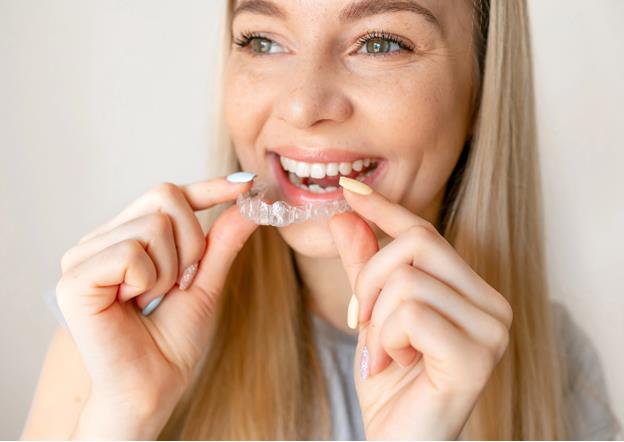
Many adults want straighter teeth, but they avoid getting braces. This hesitation appears constantly, especially among professionals and image-conscious adults who wish to achieve results without attracting attention. Traditional braces still have a noticeable look and feel that deters people, even when they know their teeth could benefit from orthodontic treatment.
During Invisalign consultations, a few concerns come up nearly every time. Patients ask if clear aligners can truly close gaps, straighten crowding, or fix bite problems. Some believe Invisalign is only for cosmetic reasons and not for real dental correction. Others worry that clear aligners are just a shortcut that might not last.
The good thing is that Invisalign is about more than just looks. With careful planning, Invisalign can correct many common orthodontic issues and promote long-term oral health. Understanding what Invisalign can do and how it works helps patients move forward with confidence rather than guessing.
How Invisalign Works
Invisalign uses a series of custom-made clear aligners that gradually shift teeth into better positions. Each aligner is worn for a short time before moving on to the next one in the series. Over time, these minor adjustments lead to noticeable improvements in alignment and bite.
What makes Invisalign effective is precise control. Aligners apply consistent, gentle pressure to specific teeth at designated times. This is not a random movement. Every step is mapped out using digital scans and treatment software.
Monitoring also plays a vital role. Teeth don’t constantly shift the same way in every person. Regular check-ins enable adjustments as needed, keeping treatment on track and protecting oral health.
Can Invisalign Fix Gaps Between Teeth?
Gaps between teeth are among the most common reasons people consider Invisalign. These spaces can develop due to genetics, missing teeth, or differences in jaw size. Some gaps form slowly over time, while others have always been there.
In many cases, Invisalign can effectively close gaps. Aligners gently guide teeth closer together in a controlled sequence. Because the movement is planned digitally, spacing is corrected evenly, reducing the risk of shifting or relapse later.
Closing gaps offers more than just visual appeal. Gaps can trap food and plaque, making teeth harder to clean. Over time, this can cause gum irritation and decay. Improving spacing usually makes brushing and flossing easier and more effective.
Many patients are surprised to learn that even visible spacing issues can often be fixed with clear aligners when properly assessed.
Can Invisalign Correct Crowded Teeth?
Crowding happens when there isn’t enough space in the jaw for teeth to align correctly. Teeth may overlap, rotate, or shift forward. This can affect appearance and also impact oral health.
Invisalign for crowding works by gradually and carefully creating space. This may involve subtle expansion of the dental arch or precise repositioning of teeth. Each movement is planned based on how the teeth and bite function together.
Here’s how Invisalign generally handles crowding:
- Aligners guide overlapping teeth into better positions
- Space is created gradually to reduce stress on teeth and gums
- Movement is customized for the individual bite and jaw shape
Mild to moderate crowding is often suitable for Invisalign. More severe cases may still need braces or other orthodontic treatments. This is the stage where a professional assessment becomes crucial. Selecting the correct method ensures both effective results and long-term dental health.
Can Invisalign Treat Bite Issues?
Bite issues affect how the upper and lower teeth align. When the bite is misaligned, it can lead to uneven wear, jaw pain, and long-term dental issues. Common bite problems include:
- Overbite – occurs when the upper front teeth extend too far over the lower teeth.
- Underbite – happens when the lower teeth sit in front of the upper teeth when the mouth is closed.
- Crossbite – occurs when some upper teeth bite inside the lower teeth instead of outside.
- Open bite – means the upper and lower teeth do not touch when the mouth is closed.
Invisalign bite correction is achievable in many cases, especially when the issue is mild to moderate. Aligners can move teeth into positions that enhance bite alignment. Attachments and specialized aligner designs support these adjustments when necessary.
Why is bite correction necessary? A well-aligned bite helps teeth work smoothly. It lessens stress on specific teeth and promotes jaw comfort. Over time, proper alignment can reduce the risk of chips, fractures, and jaw strain.
With proper planning, Invisalign can enhance both alignment and function. This is why bite evaluation is a vital part of Invisalign treatment, not an afterthought.
Invisalign vs Braces: What’s the Difference?
Patients often inquire about Invisalign versus braces and how they compare. Both can be effective, but their experiences and impacts on lifestyle differ.
Key differences include:
- Appearance: Invisalign aligners are clear and discreet
- Comfort: No wires or brackets to irritate cheeks or lips
- Hygiene: Aligners are removable for brushing and flossing
- Lifestyle: Fewer food restrictions compared to braces
Treatment timelines vary for both options and depend on the complexity of the case. Invisalign requires commitment. Aligners must be worn as directed to keep treatment on track. Patients who follow instructions closely often see consistent, predictable progress.
Who Is a Good Candidate for Invisalign?
Invisalign can be effective for many adults and teens with mild to moderate alignment or bite issues. It is especially appealing to patients seeking a discreet option that fits into their daily routine.
Good candidates commonly:
- Have mild to moderate spacing, crowding, or bite issues
- Want a removable, low-profile treatment option
- Are willing to wear aligners consistently
A personalized Invisalign consultation helps assess candidacy. Some cases may require extra treatments or a different orthodontic approach. A dental exam confirms that the chosen solution supports both appearance and oral health.
Clear aligners in Santa Monica are trusted when they are planned and monitored by experienced dental professionals, not just selected for convenience.
What Invisalign Treatment Looks Like at Smiles Santa Monica
At Smiles Santa Monica, Invisalign treatment begins with a thorough consultation. Digital scans create an exact image of your teeth and bite. This enables precise planning without using traditional impressions.
Next is customized treatment planning. Every aligner is designed to match your specific goals and dental needs. This isn’t a one-size-fits-all process. Each step is planned out before the treatment begins.
Ongoing progress checks enable the dental team to monitor movement and make adjustments if needed. Patient comfort, accuracy, and long-term stability are prioritized throughout the process. This level of supervision helps ensure predictable, durable results.
How Long Does Invisalign Treatment Take?
Treatment duration depends on the type and severity of alignment issues. Many Invisalign cases last 12 to 18 months, though some may be shorter or longer.
Factors that affect treatment time include:
- Degree of crowding, spacing, or bite issues
- How consistently are aligners worn
- Individual response to tooth movement
Consistency is important. Wearing aligners as directed keeps treatment on schedule and reduces the risk of delays. Clear communication and regular check-ins help patients stay informed and confident throughout treatment.
Does Invisalign Improve More Than Just Your Smile?
Straight teeth are easier to clean. When alignment improves, brushing and flossing become more effective, reducing the risk of cavities and gum disease. Proper spacing also helps prevent plaque buildup in hard-to-reach areas.
Improved alignment can also boost bite balance and jaw comfort. Many patients notice less jaw tension and reduced uneven tooth wear over time.
What this really means is that Invisalign benefits both appearance and function. When planned properly, treatment encourages healthier teeth and gums, not just a straighter smile.
Final Thoughts: Is Invisalign Right for You?
Invisalign can address more than just cosmetic concerns. It can correct gaps, crowding, and various bite issues when guided by professional supervision. Each treatment is customized, and success relies on proper planning and consistent follow-up.
Self-diagnosing alignment issues often causes confusion or false expectations. An expert evaluation provides clarity and ensures treatment promotes long-term oral health.
If you’re thinking about Invisalign in Santa Monica, a professional consultation can help you move forward confidently. Smiles Santa Monica provides thorough Invisalign planning, advanced digital technology, and continuous monitoring customized for each person.
Schedule an Invisalign consultation at Smiles Santa Monica to find the treatment that best fits your needs. Informed care results in better outcomes and a healthier, brighter, more confident smile.