
Dental Implants for Adults Over 40: Benefits Beyond Aesthetics

Tooth replacement decisions tend to feel more serious after 40. In your 20s or 30s, a missing tooth may seem like a cosmetic inconvenience. Later in life, it often becomes a health decision.
As we age, our jawbones change. Healing can slow. Teeth that have carried years of pressure may already show wear. What once felt optional is now affecting daily comfort, chewing ability, and long-term oral stability.
For many adults between 40 and 65, the goal shifts. It is no longer just about how a smile looks. It becomes about protecting bone, keeping the bite balanced, and preventing avoidable problems down the road. That is where adult dental implants enter the conversation as a functional solution rather than a purely cosmetic one.
Understanding how tooth loss affects the body after 40 helps explain why timely, thoughtful replacement matters.
How Tooth Loss Impacts Oral Health Differently After 40
The mouth does not age in isolation. Bone density gradually changes. Gum tissue becomes thinner. Existing dental work, such as crowns or bridges, may already be under stress. When a tooth is lost during this stage of life, the effects tend to ripple more quickly.
The jawbone relies on tooth-root stimulation; biting signals the bone to stay strong. Without it, the body resorbs or shrinks the bone, starting within months.
After age 40, bone turnover slows. That means:
- Bone loss can become more noticeable over time
- Healing may require careful planning
- Delayed replacement can reduce future treatment options
Teeth also rely on one another for balance. When one is missing, neighboring teeth begin to shift. Opposing teeth may over-erupt. The bite can change subtly at first, then more significantly.
Delaying treatment for missing teeth can lead to compounded issues such as uneven pressure, cracked enamel, gum irritation, or jaw strain. This is one reason many patients research the benefits of dental implants for adults over 40 before choosing a long-term solution.
Missing Teeth Are a Functional Issue, Not Just a Cosmetic One
It is easy to focus on appearance. But function is the deeper concern.
Chewing efficiency can decline with the absence of a molar. Back teeth grind food into small pieces, but missing teeth lead to uneven chewing or avoiding foods, limiting diet quality.
Speech can also change. Front teeth guide airflow and tongue placement. A gap may affect certain sounds, especially “f” and “v.” While subtle, these shifts can influence confidence and clarity.
Jaw mechanics are equally important. The bite works like a system of gears. Remove one gear, and the force redistributes. Even one missing tooth can:
- Increase pressure on surrounding teeth
- Lead to uneven wear
- Create muscle tension in the jaw
This is why many clinicians describe permanent tooth replacement as a structural choice, not just an aesthetic one. Stability protects the rest of the mouth.
Also Read: Implant-Dentistry-Where-Precision-Meets-Possibility
Jawbone Preservation and Facial Support
One of the most important yet overlooked topics is bone health.
When a tooth is lost, the body assumes that part of the jaw is no longer needed. Without root stimulation, bone begins to shrink. This process, known as resorption, can change the contour of the jaw over time.
After 40, bone loss can progress more noticeably because the body’s natural rebuilding cycle slows. That is why discussions around dental implants and bone health after 40 are so common.
The jawbone supports facial structure. As bone volume decreases, the lower face may appear less supported. It’s about maintaining the natural framework that supports lips and cheeks.
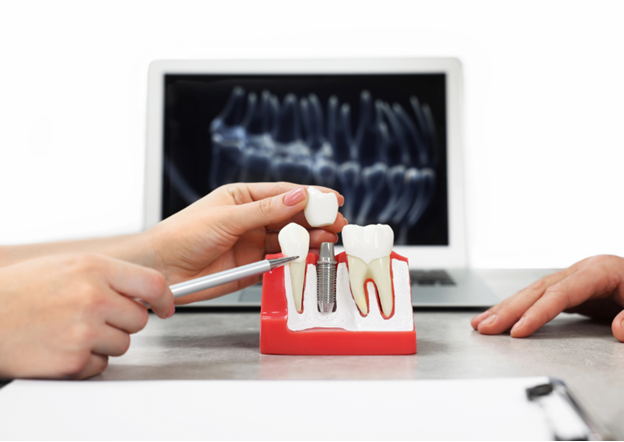
Implants work differently from bridges or removable dentures. A small titanium post is placed in the jawbone where the tooth root once sat. Over time, the bone bonds with it in a process called osseointegration. This restores stimulation to the bone and helps protect the underlying structure.
Bite Balance, Tooth Wear, and Jaw Comfort
A healthy bite distributes pressure evenly. Each tooth has a role. When one is lost, the remaining teeth often work harder.
Gaps change bite forces. Teeth next to the space may tilt inward. Opposing teeth may drift downward. This alters how pressure is absorbed during chewing.
Over time, this imbalance can:
- Increase strain on remaining teeth
- Contribute to cracks or fractures
- Create tension in the jaw muscles
Some patients also develop discomfort in the temporomandibular joint, or TMJ. The joint connects the lower jaw to the skull. When bite alignment changes, this joint can become irritated.
Replacing a missing tooth with dental implants redistributes force evenly, protecting existing teeth and reducing long-term strain. These benefits go beyond appearance.
Dental Implants vs Other Tooth Replacement Options After 40
Not all tooth replacement options function the same way. After 40, longevity and maintenance become central considerations.
Traditional bridges rely on adjacent teeth for support. Over time, those supporting teeth may weaken or require retreatment. If decay develops beneath a bridge, replacement can be complex.
Removable dentures can restore appearance and some function. However, they do not stimulate the jawbone. They may also require adjustments as bone changes occur.
Also, repeated crown or bridge failures can signal underlying bite stress. Progressive bone loss around missing teeth may compromise the stability of other restorations. Discomfort with removable options can also prompt reconsideration.
In these situations, implant-based care through modern implant dentistry is often explored as a more stable alternative.
Many patients researching why dental implants are a good option after 40 focus on stability and durability. Implants are not immune to complications. They require healthy gums, good hygiene, and regular care. But when properly planned, they are a reliable form of tooth replacement that integrates with the body rather than resting on top of it.
Also Read: Am I a Good Candidate for Dental Implants? A Complete Guide to Understanding Candidacy
Nutrition, Digestion, and Daily Comfort
Chewing is the first step in digestion. When food is not broken down properly, the stomach must work harder.
Missing teeth can limit food choices. Patients may avoid raw vegetables, nuts, or lean proteins because they are harder to chew. Over time, this can affect nutritional balance. With stable replacement, many people experience improved chewing and speech with implants. They can bite into foods more evenly and chew with greater confidence.
Daily comfort matters too. Eating in social settings becomes easier when there is no worry about shifting appliances or discomfort. This generally improves quality of life.
Healing and Recovery Considerations for Adults Over 40
Healing after implant placement is typically steady, though it may take a few months for the bone to integrate fully.
At this life stage, careful planning is crucial, as bone quality varies and some patients may require additional procedures to achieve stability. Modern 3D imaging helps providers assess bone density and nerve position beforehand, enhancing predictability and customizing the approach.
Patients value a thorough assessment before treatment when guided by a skilled implant dentist, such as Dr. Sanaz Khoubnazar of Smiles Santa Monica Cosmetic & General Dentistry. Thoughtful planning supports safer outcomes and realistic expectations.
Conclusion
Tooth loss after 40 carries structural consequences. Bone changes, bite imbalance, and functional strain can build gradually. If you are considering options for missing tooth treatment, a detailed consultation can clarify which option best fits your goals and health profile. The team at Smiles Santa Monica Cosmetic & General Dentistry can assess your bone health, bite alignment, and overall oral condition to help you make an informed decision.
Scheduling an appointment for a consultation today to get a plan built for durability, comfort, and lasting oral wellness.