Santa Monica, CA: The Artistic Center for …

Am I a Good Candidate for Dental Implants? A Complete Guide to Understanding Candidacy

Why Dental Implants Are the Gold Standard for Tooth Replacement

Losing a tooth affects more than just appearance; it can also make eating, speaking, and laughing more challenging. Many adults choose dental implants because they offer a natural, stable, and comfortable solution. Implants are embedded into the jawbone, which helps protect the bone, supports neighboring teeth, and boosts confidence in chewing and smiling. For those with loose dentures or worn bridges, this can be a truly transformative change.

The good news is that many adults qualify after a comprehensive dental implant consultation. Modern imaging, careful planning, and personalized treatment help dentists design solutions for a wide range of situations, including cases where patients believe they may not qualify.

What Dentists Look for During a Dental Implant Evaluation

A dental implant evaluation is a reliable way to know if implants are right for you. Dentists assess your bone and gum health, general medical conditions, and daily habits. Candidacy isn’t about perfection. It’s about safety and long-term success.

Healthy Jawbone to Support the Implant

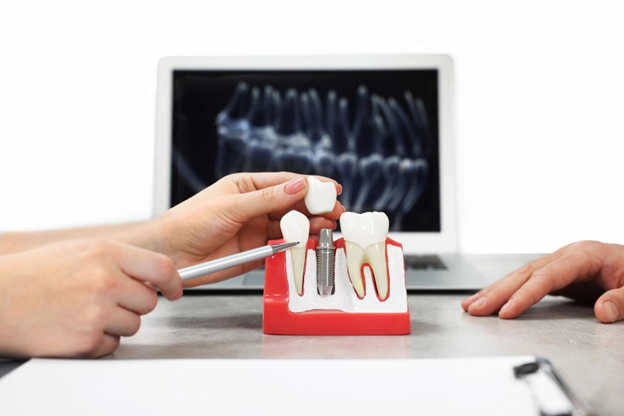
The implant needs a strong base. That base is your jawbone. During your consultation, the dentist may use X-rays or 3D imaging to study the bone beneath the missing tooth. The goal is to determine whether the bone has sufficient height, width, and density to securely hold the implant.

Digital imaging helps identify:

  • Areas of bone thinning
  • The exact depth of the jawbone
  • Safe placement areas
  • Whether a bone graft might help

Bone loss is common, especially when a tooth has been missing for an extended period. Thankfully, modern bone grafting can rebuild these areas. For many people concerned about bone loss and dental implants, grafting opens the door to treatment.

Also Read: Dental Implants vs. Bridges: What’s Best for Long-Term Oral Health?

Healthy Gums and No Active Infection

Healthy gums support healing. If there’s an infection or gum disease, the body struggles to maintain implant stability. For that reason, dentists carefully examine the gums.

They look for:

  • Bleeding
  • Swelling
  • Deep pockets
  • Hidden infection

If gum disease is present, treatment comes first. This might include deep cleaning or targeted medication. Once the gums are stable, implant placement becomes much safer and more predictable.

Good Overall Health and Well-Healed Tissues

Your overall health influences your healing process. Although some medical conditions may slow recovery, they do not automatically disqualify you. This assessment is centered on planning rather than exclusion.

Conditions that may need extra attention include:

  • Diabetes
  • Osteoporosis
  • Autoimmune disorders
  • Heart or blood conditions
  • Chronic inflammation

Your dentist may suggest consulting your doctor or obtaining medical clearance. The goal is to maintain your health stability throughout the process.

Non-Smoking or Willing to Reduce Smoking

Smoking slows down blood flow, which can make healing around implants take longer and increase the chance of long-term problems. If you smoke, your dentist might suggest cutting back or quitting before and after your surgery. Many dental offices support patients in making these changes safely.

Commitment to Oral Hygiene and Follow-Up Care

Dental implants depend on healthy tissue nearby to remain secure. Regular daily oral care helps safeguard them, and patients who practice good hygiene are more likely to experience long-term success.

This means:

  • Brushing twice a day
  • Flossing or using interdental cleaners
  • Regular checkups
  • Professional cleanings

Good hygiene reduces the risk of infection around the implant and helps keep the surrounding gum tissue healthy.

What If You Don’t Meet All the Requirements Right Now?

Here’s the part many people don’t realize: you don’t have to be a perfect dental implant candidate on day one. Many adults become candidates once specific issues are treated. Implant dentistry is flexible, and treatment plans can be adjusted to fit your needs.

Bone Grafting to Restore Lost Bone

Bone grafting strengthens and rebuilds areas where bone has thinned. It’s one of the most common methods for preparing for implants.

Bone grafting helps when:

  • A tooth has been missing for years
  • Gum disease caused bone loss
  • Dentures have worn down the ridge
  • The jaw needs more strength for long-term success

The graft material supports new bone growth and creates a safer foundation for implant placement.

Gum Therapy Before Implant Placement

Healthy gums protect the implant. If gum disease exists, the dentist may suggest treatment before starting the implant process.

Gum therapy may include:

  • Deep cleaning
  • Scaling and root planing
  • Medication to control infection
  • Routine maintenance afterwards

The goal is to stabilize the gums so they can support the implant for years.

Tooth Extractions With Same-Day Implant Options

Sometimes a tooth needs to be removed before you can get an implant. Depending on the health of your bones and gums, you might qualify for a same-day implant. Other times, the dentist may recommend waiting a few months to let the area heal first.

Either option can lead to success. The decision depends on your specific anatomy.

Age Considerations: Who Is Too Old or Too Young for Implants?

Most adults can receive implants at nearly any age. Older adults often make excellent candidates, provided their bone and gum health is stable. Younger patients may need to wait until their jawbone finishes growing, usually in their late teens.

Age alone rarely disqualifies anyone.

Medications and Medical Conditions That May Affect Healing

Some medications can influence bone healing. The dentist may review your complete medical history.

These medications or conditions may need extra planning:

  • Diabetes medications
  • Osteoporosis drugs
  • Blood thinners
  • Autoimmune medications
  • Hormone therapies

You don’t need to stop anything unless your doctor advises it. Your dentist simply wants to develop a safe plan tailored to your health needs.

Signs You’re Likely a Strong Candidate for Dental Implants

Many adults reach a point where they want something more secure and natural than what they have now, and implants often provide that level of comfort and confidence. You may be a strong candidate if you meet one or more of the following conditions:

  • Are missing one or more teeth
  • Dentures feel loose or uncomfortable
  • Desire a stable, natural-feeling solution
  • Keep good oral hygiene habits
  • Have no active infections
  • Prefer a long-term solution over repeated repairs

If any of these sound like you, consider scheduling a dental implant consultation with Smiles Santa Monica. It can help you understand your options and show how modern implant solutions can restore both the function and appearance of your smile.

What Happens During a Dental Implant Consultation?

This visit is where you get honest answers. It’s also the best way to learn whether implants are the right solution for your needs. A typical consultation includes:

  • X-rays and 3D imaging
  • Assessment of the jawbone and gums
  • Review of your medical history
  • Discussion about your goals
  • A customized plan with treatment options

If you’ve been searching for “dental implants near me,” a visit to Smiles Santa Monica can help clarify things. Their team uses advanced digital images to check your bone and overall oral health. Many patients are surprised to learn they qualify once their dentist creates a personalized plan, which might include bone grafting, gum therapy, and same-day implant placement, if suitable.

Common Questions People Ask About Implant Candidacy

Can I get implants if I grind my teeth?
Yes. Grinding can exert additional pressure on implants, so your dentist may suggest a custom nightguard to shield your new teeth and promote long-term success.

What if I’ve been missing a tooth for years?
You may still qualify. Over time, the jawbone can shrink, but modern bone grafting techniques often rebuild enough support to place an implant safely and securely.

Do implants hurt more than other dental procedures?
Most patients find the process easier than expected. Local anesthesia or sedation keeps you comfortable, and any discomfort after the procedure is usually mild and manageable with standard care.

Can implants work for several missing teeth or even a full mouth?
Absolutely. Implants can replace a single tooth, multiple teeth, or support full-mouth restorations, providing stability and a natural feel that traditional dentures or bridges cannot match.

Final Thoughts: Most People Qualify, You Just Need the Right Evaluation

Modern tools and planning enable more people than ever to get implants. Even if you’ve dealt with tooth loss for years, there may be a way forward. The next best step is to stop guessing and schedule a thorough exam. A dentist can help you understand your options, your bone structure, and the safest plan for long-term success.

If you are not sure if you can get dental implants or need help picking the right doctor, visiting Smiles Santa Monica can give you the answers. The team does detailed exams, uses modern digital pictures, and creates custom treatment plans. They can help you understand your needs and see if implants are right for you to improve your smile.

Book your consultation to begin building a stronger, more confident future.

Transform Your Smile: What to Know Before Getting Veneers

Your smile is one of the first things people notice; its power is undeniable. And as far as cosmetic treatments for the smile go, few procedures offer such a quick and profound transformation as dental veneers.

In 2025, veneers are among the most popular options for creating a natural-looking, brilliant smile and correcting almost the entire gamut of cosmetic dental concerns. Veneers are a long-lasting, elegant solution to:

  • Fix decades of stains
  • Smooth out chips
  • Close gaps
  • Give the smile symmetry
  • Transform the entire smile

Are veneers the right choice for you or your loved one? Keep reading to learn more about what dental veneers are, how the process works, and what to expect if you proceed with the treatment.

What Are Veneers?

Dental veneers are thin, custom-made shells that are permanently bonded to the front surface of your teeth. Veneers used in cosmetic dentistry are made primarily from two different materials: porcelain and composite resin. The former are known for their durability, stain resistance, and realistic look, and the latter are more affordable and faster to place.

The purpose of getting veneers is to correct cosmetic issues while simultaneously preserving as much of the natural tooth structure as possible. Modern dental technology has transformed veneers from their earlier, bulky versions into today’s sophisticated, minimal-prep solutions.

Reasons Patients Choose Veneers

Stained or Discolored Teeth – For teeth that have intrinsic stains from internal discoloration or from years of coffee, red wine, etc., that do not respond effectively to professional whitening treatments.

Chipped, Cracked, or Worn Enamel – Veneers can restore the original length and perfect edge of teeth damaged by wear or injury.

Uneven or Slightly Misaligned Teeth – While veneers cannot correct severe bite issues, which require orthodontics, they can instantly fix minor overcrowding, irregular shapes, or teeth that are slightly rotated.

Gaps and Irregular Spacing – Veneers can close small to moderate spaces called diastemas between teeth for a more uniform look without braces.

A More Symmetrical Smile – Veneers can give you a comprehensive, long-lasting upgrade that delivers perfect symmetry and a beautifully consistent color.

The Veneer Process Step-by-Step

The process of getting permanent dental veneers typically requires 3-4 visits to your dentist over several weeks. Here’s what to expect:

1. Consultation and Smile Design

First, you’ll meet with your cosmetic dentist to discuss your goals, preferences, and the smile you envision. Digital mock-ups and imaging software are usually used to show you a preview of your potential new smile.

The dentist will carefully evaluate your oral health, jaw alignment, and bite to make sure that veneers are the right functional solution.

2. Tooth Preparation

The second visit is dedicated to preparing the teeth. First, the dentist removes a very thin layer of enamel from the front surface of the teeth receiving the veneers. This is usually less than 0.5mm of enamel total, or about the thickness of a fingernail; it’s necessary to make space for the veneer without making it look bulky.

After preparation, precise impressions or digital scans of your teeth are taken and sent to a master ceramic laboratory where your custom porcelain shells will be fabricated, a process that can take 2-4 weeks.

3. Temporary Veneers

Your prepared teeth are often fitted with temporary veneers made of acrylic resin. These protect the teeth while your permanent veneers are being crafted and can help you get a feel for your new smile’s size and shape.

4. Veneer Placement

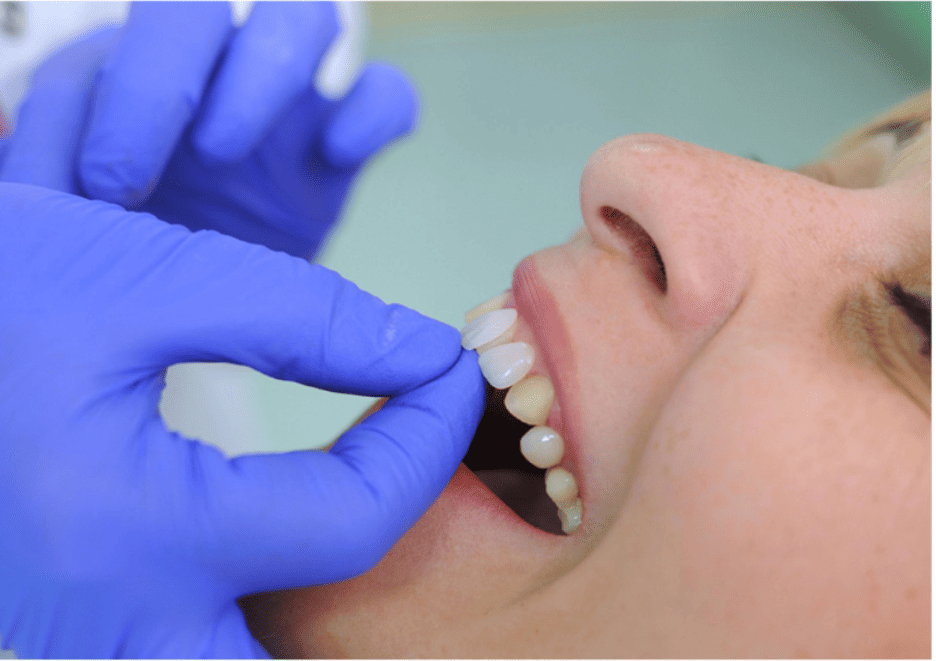
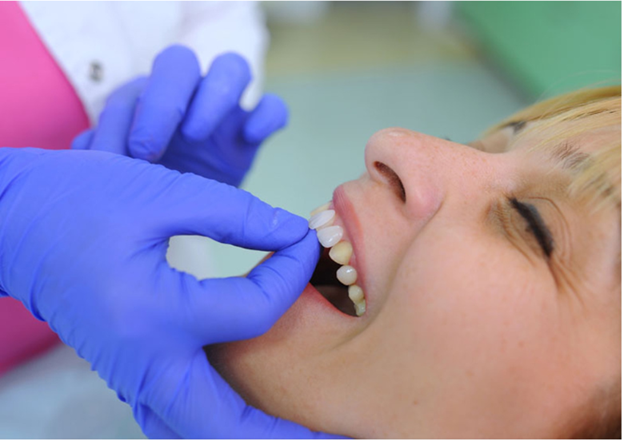
The dentist first places the custom porcelain veneers onto your teeth with water or glycerin to check the fit, shape, and color. You will approve the look before they are bonded.

For permanent bonding, the tooth surface is chemically etched to create a rough texture, thereby maximizing bond strength. The veneer is then permanently secured using a high-strength dental resin cement and cured with a specialized light.

Finally, the dentist makes precise adjustments to the bite and margins for comfort, function, and superior cosmetics.

Choosing the Right Type of Veneer

The choice between the two main types dictates your timeline, budget, and long-term maintenance. For the most robust, stain-resistant, and aesthetically superior result with the longest lifespan, porcelain veneers are the most successful and recommended.

If budget is a big factor and/or time is an issue, composite resin veneers may be the better choice.

But the most important factor is working with an experienced cosmetic dentist who specializes in veneer artistry. Their skill in selecting the right material and designing the final look makes all the difference in your results.

How to Prepare for Veneer Treatment

Before beginning, you must address any underlying issues. This includes getting a complete dental cleaning and treating any existing decay, gum disease, or severe bite issues. Veneers should only be placed on healthy teeth.

For your consultation with your veneers dentist, bring photos of smiles you admire or specific notes on the tooth shade, shape, and size you want.

If you plan to only veneer some teeth, like the top front eight, it’s best to whiten the surrounding natural teeth first. However, avoid whitening treatments right before the veneer color-matching appointment, as the dehydrating effects of whitening can temporarily alter the shade of your natural teeth and cause a mismatch.

Aftercare and Maintenance

Veneers are tough, but they aren’t invincible. Proper care is what helps you get the full value out of your investment, so continue a diligent routine of gentle brushing with non-abrasive toothpaste and flossing. While veneers won’t decay, the underlying tooth and surrounding gum tissue can.

Maintain regular checkups and professional cleanings. Hygienists will use special tools that won’t scratch the porcelain surfaces.

Avoid using your teeth as tools and quit habits like nail-biting or ice chewing that can fracture the veneers. With proper care, porcelain veneers can last 10–15 years or longer before needing replacement.

Things to Consider Before Getting Veneers

  • They Are Permanent: Because a thin layer of enamel is removed, the process is irreversible. The prepared teeth will always need to be covered by either a veneer or a crown for protection.
  • Oral Health First: Veneers are a cosmetic solution; they do not treat underlying oral health issues, so active decay or gum disease must be resolved first.
  • Potential for Sensitivity: Some patients experience temporary sensitivity to hot or cold temperatures after the tooth preparation, which usually subsides within a few weeks.
  • Cost Considerations: Veneers are an elective, high-end cosmetic treatment. They represent a considerable financial investment; you’ll need to think about the overall cost and available financing options with your dentist.
  • Realistic Expectations: Work closely with your dentist so that your expectations align with what is realistically and functionally achievable.

Veneers vs. Other Cosmetic Options

Veneers occupy a unique space between simple touch-ups and extensive restoration. Here’s how they compare to other common cosmetic dental solutions:

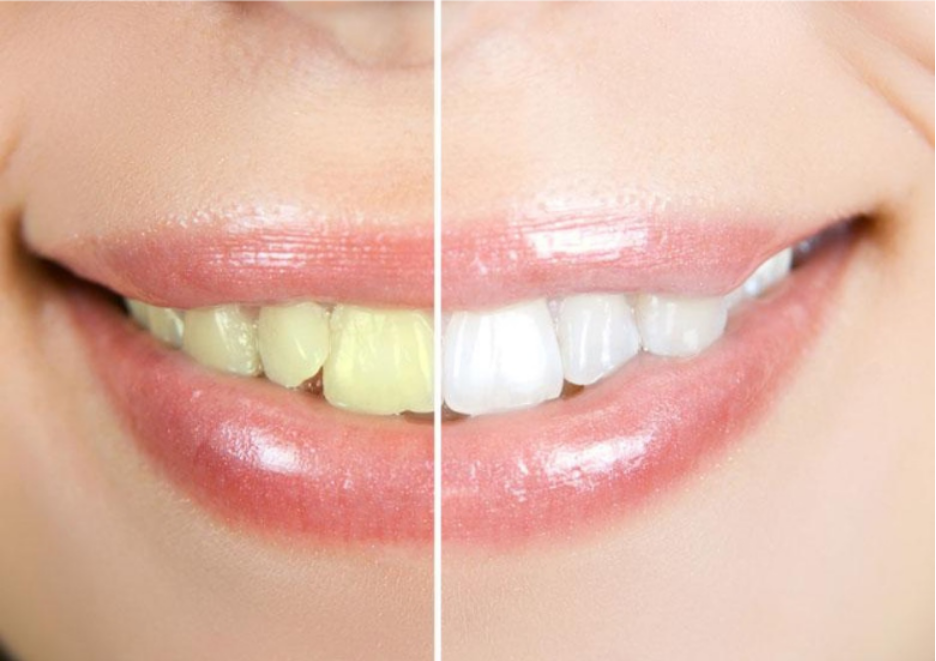
Professional teeth whitening does the trick for mild, superficial discoloration, but doesn’t address permanent discoloration like dental veneers. However, whitening requires zero tooth preparation and covers the entire surface.

Dental bonding is typically used to treat minor chips, small gaps, and tiny surface flaws with no tooth preparation required. Veneers address the same issues but require enamel reshaping.

It’s important to know that veneers don’t replace the entire tooth or any part of the root structure, as dental implants do. Instead, veneers encase the teeth that are already there with a minimal amount of enamel shaved off.

And unlike dental restoration with crowns, veneers don’t need 360-degree tooth reduction. However, compared to crowns, they might not be the best choice for severely damaged, broken, or decayed teeth.

Are Veneers Right for You?

Veneers can be a transformative investment in your appearance and self-esteem by correcting those bothersome imperfections and achieving the bright, symmetrical smile you’ve always wanted.

Choosing a qualified, experienced cosmetic dentist will help you get the best results from your custom-fit veneers. Their skill in artistic design, detailed prep, and accurate placement is what will ultimately help your new smile shine brightest.

Are dental veneers right for you? Request an appointment at Smiles Santa Monica for a personalized consultation to begin.

Dental Implants vs. Bridges: What’s Best for Long-Term Oral Health?

Tooth loss creates a gap that can negatively impact your ability to chew, to speak clearly, and to maintain your long-term oral health. Not to mention, depending on where it is, a missing tooth can be a huge eyesore.

So, when a tooth is missing and cosmetic correction is needed, what’s the next step? A dental implant? Or a bridge?

Keep reading to learn more about implants versus bridges and how they compare on health outcomes, daily comfort, and long-term durability.

What Are Dental Implants and How Do They Work?

A dental implant replaces the entire root structure of the missing tooth, not just the crown, so the final restoration looks and functions just like a real tooth. The procedure takes place over three main steps:

  1. A titanium post is surgically placed directly into the jawbone where the tooth root once was.
  2. The jawbone must heal and fuse with the titanium post. This process, called osseointegration, creates a stable, lasting anchor over several months.
  3. Once fused, a connector piece, also known as the abutment, is attached to the implant, and a custom-designed ceramic crown is placed on top.

Implants are specifically designed to preserve bone health by providing the necessary stimulation to the jawbone during chewing. Their independence from neighboring teeth is a major advantage, making them a highly stable solution with natural aesthetics and a very long lifespan.

What Are Dental Bridges and How Do They Work?

A dental bridge is a fixed prosthetic device that literally bridges the gap left by one or more missing teeth. The standard bridge uses the adjacent teeth, known as abutments, to hold the replacement tooth, called a pontic, in place.

The natural teeth bordering the gap must be prepared, filed down, and reshaped to accept crowns. The false tooth is fused between the two crowns, creating a single unit that is permanently cemented onto the abutment teeth.

The bridge timeline is fast; usually, only two to three visits are needed for preparation, impression, and final cementation. This makes the bridge a less invasive dental solution with a usually lower upfront cost and a quicker treatment time.

Comparing Implants and Bridges (Handy Chart)

Factor  Dental Implants  Dental Bridges 
Longevity  20+ years, often a lifetime with good care  7–10 years on average before replacement is needed 
Bone Health  Stimulates and preserves the jawbone  Does not prevent bone loss; bone recession continues 
Impact on Neighboring Teeth  Independent; no enamel reduction required  Requires filing down adjacent teeth for crown placement 
Aesthetics and Feel  Mimics natural tooth root and function; feels highly secure  Aesthetically pleasing, but the restoration may feel less natural 
Cleaning and Maintenance  Brush and floss like natural teeth; easy to maintain  Requires special floss threaders or water flossers to clean under the pontic 
Cost Over Time  Higher initial investment, but often zero replacement costs  Lower upfront cost, but replacement needs increase total lifetime expense 

Long-Term Health Considerations

Bone Preservation

When a tooth root is lost, the jawbone begins to resorb or shrink due to a lack of stimulation. Implants act as the root to halt the bone loss, while bridges offer no such benefit, and bone shrinkage can eventually affect the structure of the face.

Gum Health and Decay Risk

Bridges may make cleaning around the restoration more difficult. The connection points between the pontic and the abutment teeth are susceptible to plaque. Conversely, implants are cleaned individually, like any other tooth, simplifying hygiene.

Bite Alignment

Implants fill the gap securely and individually, maintaining the natural spacing and preventing adjacent teeth from shifting into the gap. When supporting teeth for a bridge eventually fail, the entire bridge unit and the surrounding teeth can be compromised.

Overall Durability

Titanium is biocompatible and highly resistant to failure, so implants themselves cannot decay. While the crown on top may need replacement, the titanium post is built to last. Bridges, made of ceramic or metal, are subject to wear, fracturing, and potential failure of the cemented bond.

Who Are Dental Implants vs Bridges Best For?

While implants are generally considered the superior long-term option, several factors may steer a patient toward a bridge. Here’s another handy chart to show you who’s the best candidate for each procedure:

Factor  Implants Favored  Bridges Favored 
Oral Health Status  Excellent gum health; sufficient, dense bone structure  Patient does not meet the criteria for bone grafting 
Number of Missing Teeth  Single missing tooth; non-adjacent missing teeth  Multiple adjacent missing teeth where a single bridge unit is efficient 
Budget and Insurance  Investment is prioritized over upfront cost; good financial planning  Lower upfront cost is essential; insurance may cover a larger portion of the cost 
Timeline  Patient is willing to wait 4–6 months for osseointegration  Solution is needed quickly (e.g., prior to a major event or travel) 
Condition of Neighboring Teeth  Neighboring teeth are perfectly healthy and should not be modified  Neighboring teeth already require crowns or extensive restoration 

In short, bridges remain a strong option when immediate restoration is critical or when the patient has health conditions that prevent major surgery. However, for many patients, the long-term stability and bone-preserving qualities of implants can make the initial investment worthwhile.

What Dentists Recommend for Long-Term Oral Health

The consensus among dental professionals is clear: dental implants are the gold standard for long-term oral health.

This recommendation is based primarily on the implant’s ability to maintain the underlying jawbone structure. Preventing bone atrophy is a major benefit that cannot be overstated, as it maintains facial structure and protects the stability of remaining teeth.

Bridges remain a reliable, fast, and often cost-effective treatment when implants are not an ideal solution. This includes cases where there is significant bone loss, existing medical conditions complicate surgery, or if the financial constraints are too great.

An individualized consultation is the first step toward either treatment. Through detailed imaging and a comprehensive health evaluation, a dentist can collaborate with the patient, evaluating their health, bite, and goals, and developing a treatment plan.

Is a Dental Implant or Bridge Right for You?

Both dental implants and dental bridges can beautifully restore your smile, function, and confidence after tooth loss. The best choice depends on your long-term health goals and your comfort level with the required treatment and maintenance.

In short, dental bridges are quick and time-tested, and they’re generally less expensive upfront. In contrast, dental implants typically provide the most natural, durable, and health-preserving solution to tooth loss.

Is a dental implant or bridge the right solution for your smile? Request an appointment today at Smiles Santa Monica to find out.